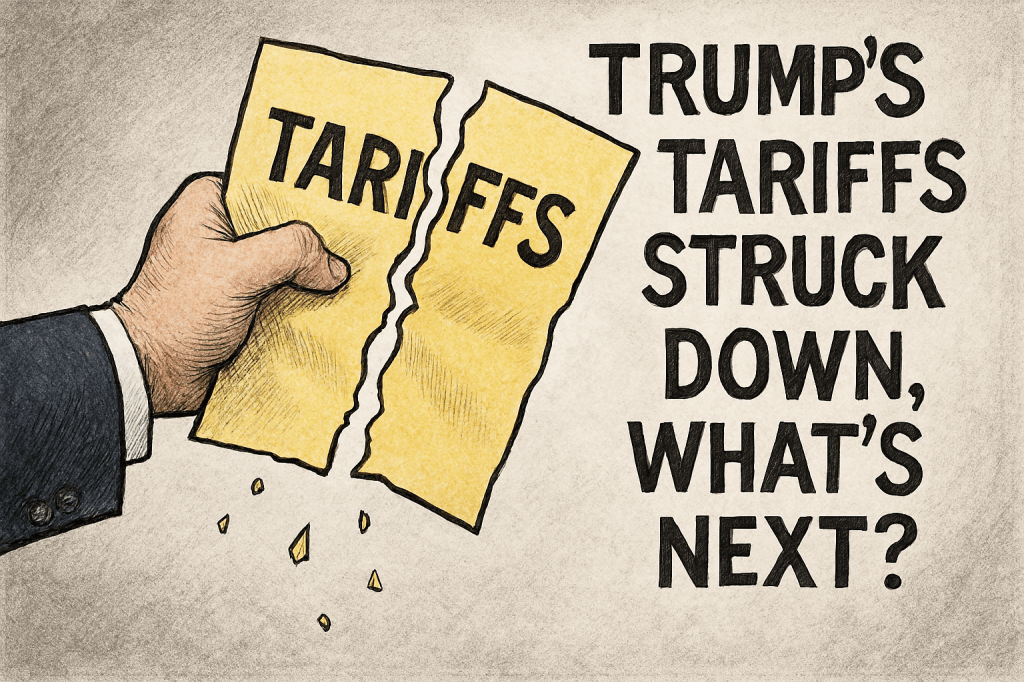
The US Supreme Court recently ruled 6-3 that President Donald Trump’s expansive tariffs, imposed under the International Emergency Economic Powers Act (IEEPA), overstepped presidential authority, invalidating a major part of his trade policy. This decision marks a significant setback for Trump’s economic agenda, which relied on unilateral tariffs to boost US manufacturing and address trade imbalances.
Court Ruling Details
Chief Justice John Roberts delivered the majority opinion, stating the underlying legislation does not empower the president to levy such broad tariffs without explicit congressional approval. The ruling nullifies country-specific and “reciprocal” tariffs, including high duties on China (up to 34%) and 25% on certain goods from Canada, China, and Mexico aimed at curbing fentanyl flows. It spares tariffs under other laws like Section 232 (national security) and Section 301 (unfair trade practices).
Trump’s Immediate Response
Trump called the decision a “terrible” and “disgrace,” hinting at foreign influences on the justices during a White House briefing. He quickly announced a new 10% global tariff under Section 122 of the Trade Act, later raising it to 15%, effective soon after to replace the struck-down measures. Trump vowed to pursue “great alternatives” and fight for refunds in lengthy legal battles, signaling no retreat on protectionism.
Global and Economic Impacts
Countries like China and India may exploit the uncertainty for better trade deals, while US businesses eye billions in potential refunds on paid tariffs. The ruling introduces trade volatility, potentially disrupting supply chains and raising consumer prices amid ongoing global tensions. SBI Research from India suggests a “counter-intuitive” approach for affected economies: boost domestic consumption and diversify exports rather than retaliate.
Potential Next Steps
The administration must direct Customs and Border Protection to halt IEEPA tariff collections, though existing tariffs under other statutes persist. Congress could grant explicit tariff powers or tighten oversight, reshaping executive trade authority. Trump may escalate via new legislation or negotiations, with experts predicting prolonged legal fights and evolving tariff strategies into 2026.
 Wandering Mind
Leave a comment